

In 1995, getting a telephone line in Belgrade was almost as hard as getting an Internet connection. Yugoslavia was under UN sanctions, the academic network was the country’s only link to the global Internet, and commercial access simply didn’t exist. That year, Dejan Ristanović, Zoran Životić, and I decided to change that.
Origins#
Dejan and Zoran had already built Sezam — Yugoslavia’s largest bulletin board system, with thousands of users dialing in to exchange messages, share files, and debate long before the web existed. Through my company Jugodata, I had been working with them, and by the mid-1990s it was clear that the BBS era was ending and the Internet was the future. We co-founded SezamPro, initially as a next-generation BBS, but with a clear vision of becoming a full Internet service provider.
We launched on November 19, 1995. I remember the night vividly — a marathon debugging session that ended at 3:40 AM when the system finally went live. We started with eight dial-up lines and a connection to the academic network through the Faculty of Technology in Belgrade. The response was immediate: users migrated from the old Sezam system overnight, and within weeks we were running out of capacity.
SezamCafé#
In early 1996, we opened SezamCafé — the first cyber café in Yugoslavia. My thinking was simple: most people didn’t own a computer, let alone a modem. If we wanted to grow the market, we had to let people experience the Internet firsthand. The café became a gathering point — part tech demo, part community center. For many Belgraders, it was their first encounter with email and the web.
By October 1996, we had expanded to 18 dial-up lines with a dedicated Internet link. SezamPro was officially one of Serbia’s first three ISPs, and the Internet had a proper home in Belgrade.
Growing Through Crisis#
The late 1990s were turbulent. During the 1999 NATO bombing, the Internet became a lifeline — both for citizens seeking uncensored information and for people trying to maintain contact with the outside world. As an ISP operator, I found myself responsible for infrastructure that the community depended on in ways we never anticipated when we started. Keeping the network running during those months reinforced something I carry with me to this day: connectivity is not just a service, it’s a responsibility.
The Broadband Era#
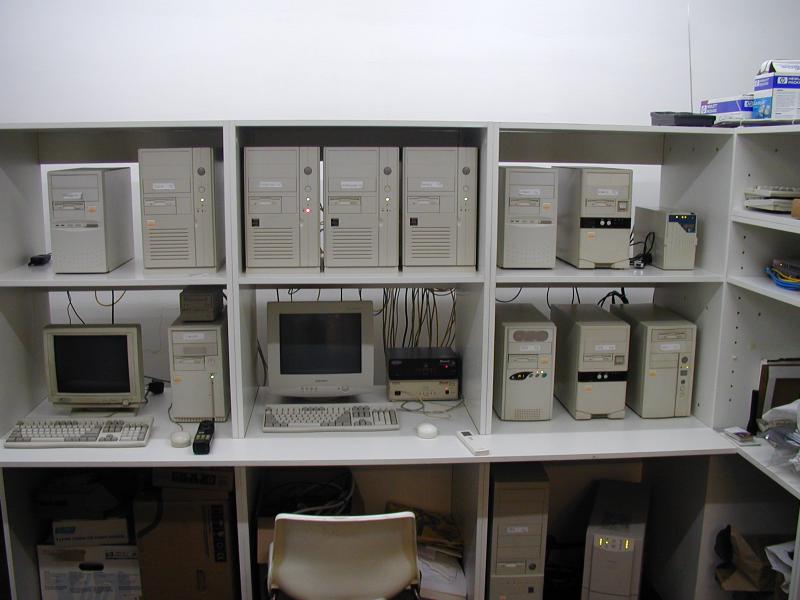
As Serbia stabilized in the early 2000s, I pushed SezamPro aggressively into broadband. We became the country’s leading independent ADSL provider, capturing 37% of the ADSL market and growing to over 20,000 subscribers — the largest ISP after Telekom Srbija’s own retail operation. We offered DSL, wireless broadband, and later VoIP telephony.
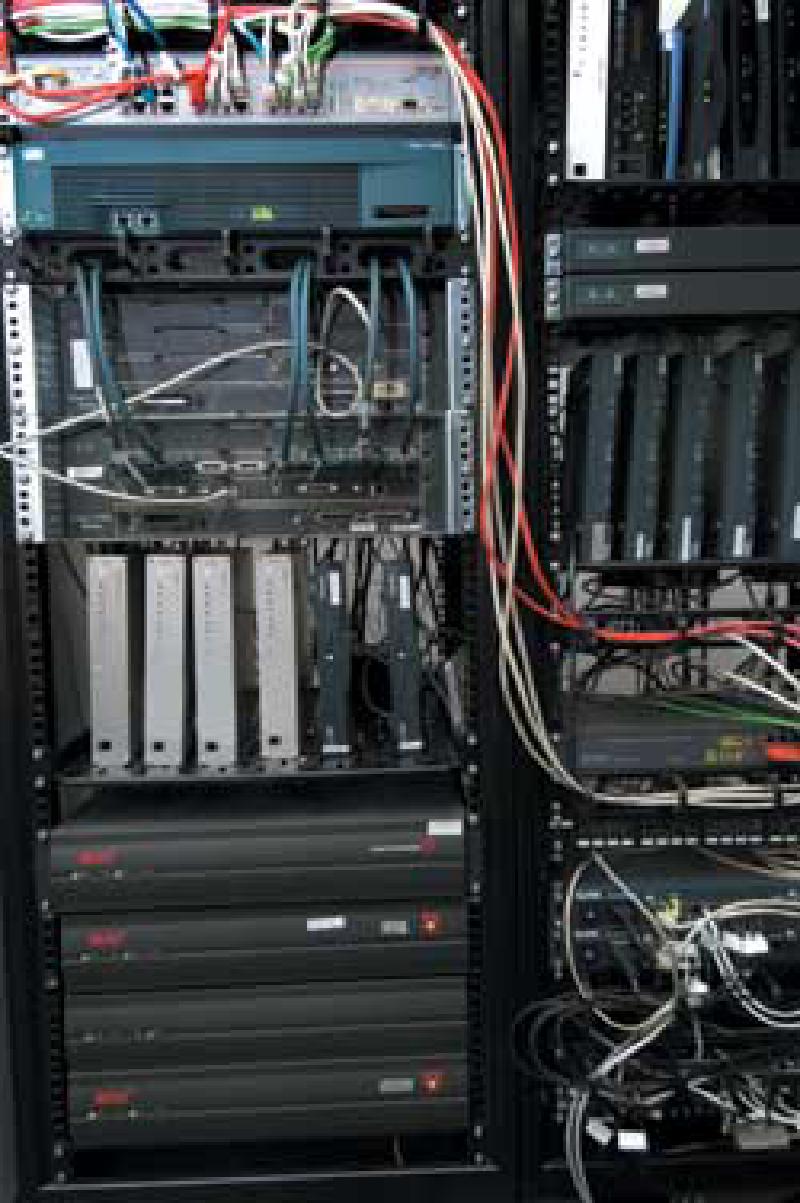
The fundamental constraint was always the same: Telekom Srbija held a monopoly on the last mile. Without regulatory liberalization, we couldn’t build our own network, so we innovated on services instead — squeezing every advantage we could from leased infrastructure.
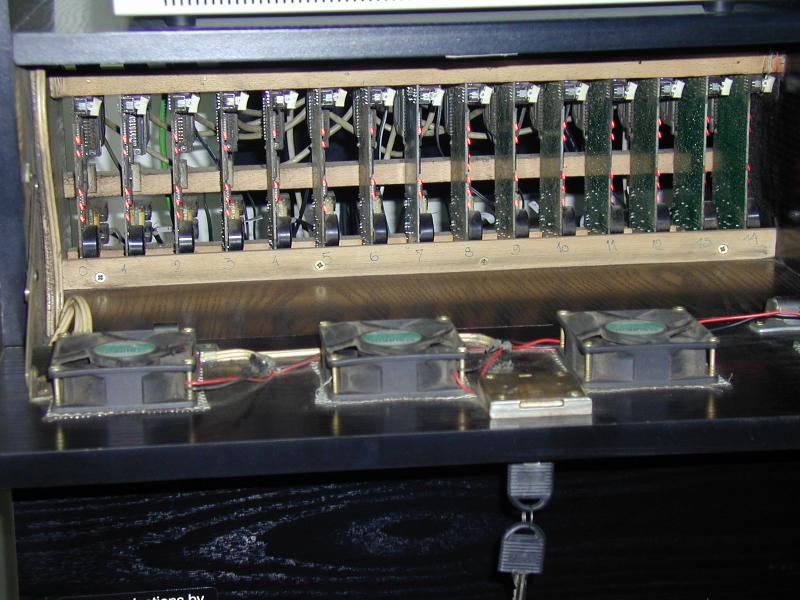
Hosting, Domains, and the Road to Orion#
Recognizing the growing demand for web hosting, I spun out a dedicated division — SezamPro Hosting — which grew into one of the leading .rs domain registrars in Serbia. We had the infrastructure, the customer base, and deep understanding of the local market. It was a natural move.

By 2009, the Serbian telecom landscape was consolidating. SezamPro, together with Media Works and Neobee.net, merged to form Orion Telekom — creating a stronger alternative operator capable of competing at scale. I continued in a strategy and regulatory role through 2012, helping shape the integrated company’s direction before turning my focus to internet governance full-time.
What It Taught Me#
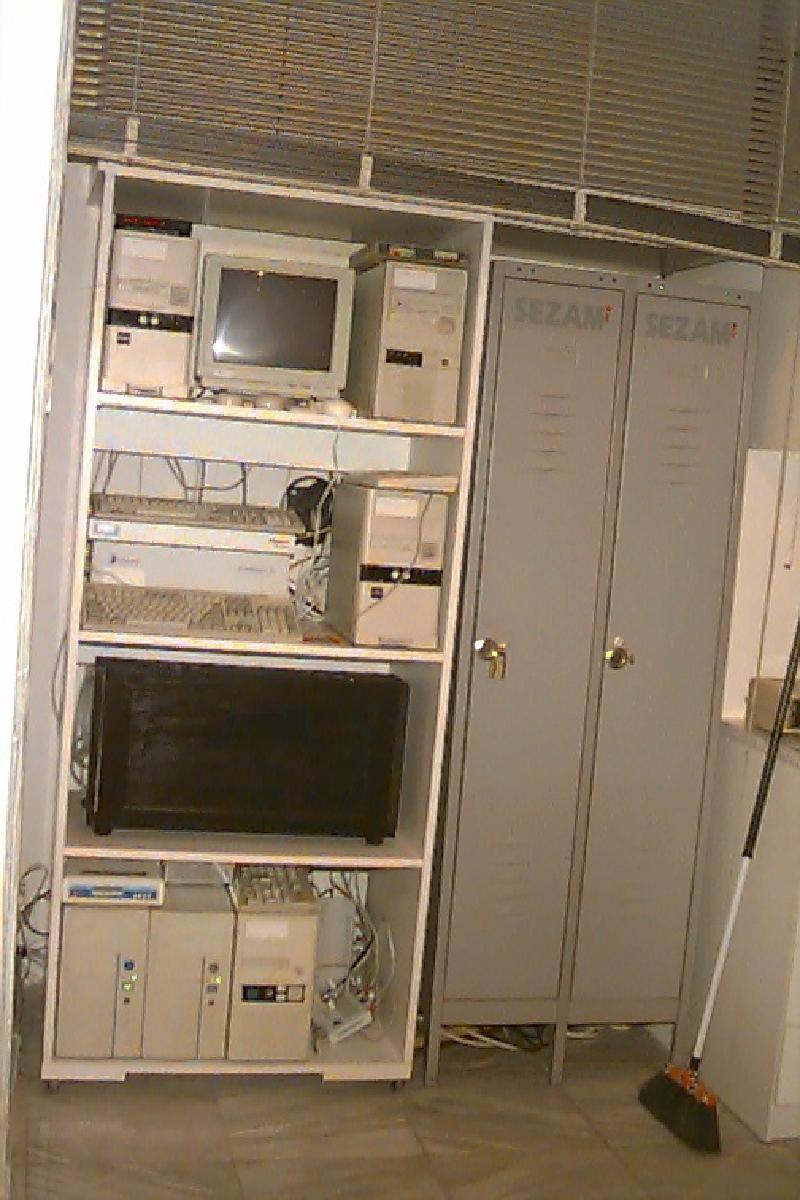
Building SezamPro over 13 years — from eight dial-up lines in a country under sanctions to a broadband provider serving tens of thousands — taught me things no business school could. How to operate critical infrastructure under pressure. How to build a business when the regulator is also your competitor. How to serve a community that depends on you for something as fundamental as access to information.
Those lessons directly shaped my later work in internet governance — at RNIDS, where I led the .yu to .rs domain transition; at ICANN, where I served on the Board overseeing the global DNS; and in every boardroom since. The perspective of someone who has actually built and operated internet infrastructure in a challenging environment is, I believe, irreplaceable.
Further reading:
- Founding SezamPro — Dejan Ristanović’s firsthand account
- The Long and Bumpy Road to Internet in Serbia — Hackaday
- Internet in Serbia — Wikipedia
- Belgrade on the Digital Frontier — Wired, 1997
- PC Press: Three Decades of Sezam