


In 1995, getting a telephone line in Belgrade was almost as hard as getting an Internet connection. Yugoslavia was under UN sanctions, the academic network was the country’s only link to the global Internet, and commercial access simply didn’t exist. That year, Dejan Ristanović, Zoran Životić, and I decided to change that.
Origins#
Dejan and Zoran created Sezam — Yugoslavia’s largest BBS (bulletin board system), with thousands of users dialing in to exchange messages, share files, and debate long before the web existed. I was one of the early users and moderators, and through my company Jugodata, I had been working with them. Sezam BBS had a significant role in the turbulent years of the breakup of Yugoslavia, showing that electronic communications can bridge geographic and political divides, and help people stay freely informed — as described in the Internet Revolution article by Wired magazine.
By the mid-1990s it was clear that the BBS era was ending and the Internet was the future. We co-founded SezamPro, initially as a next-generation BBS, but with a clear vision of becoming a full Internet service provider.
SezamPro#
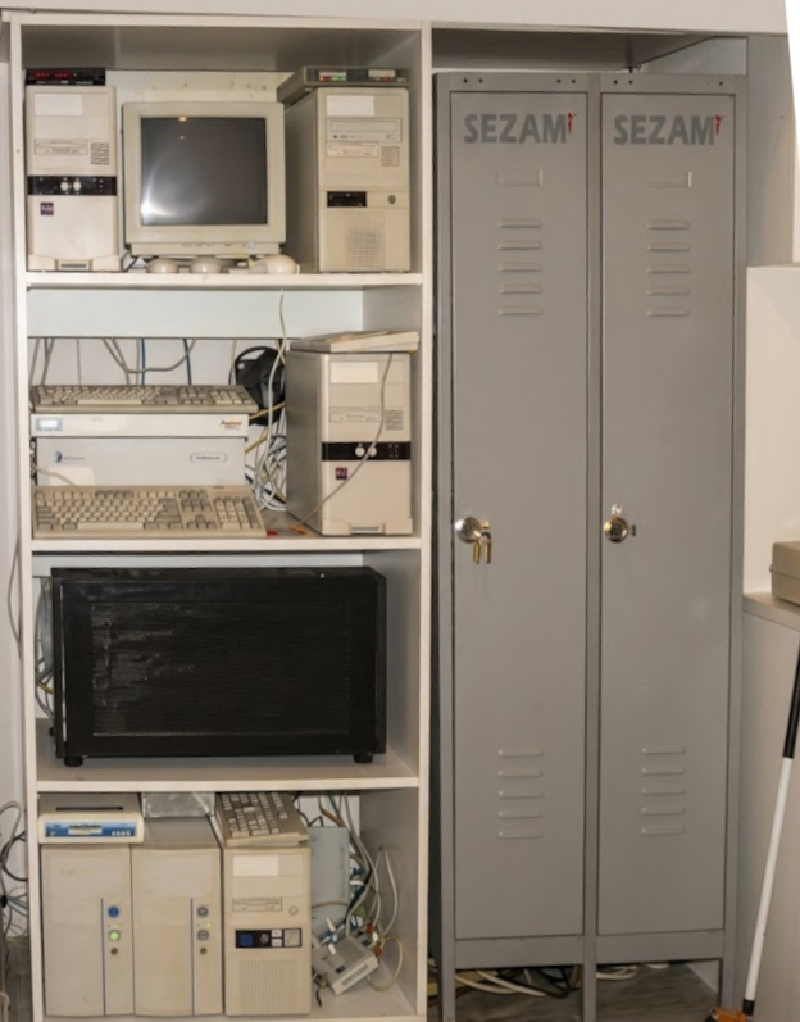
We launched on November 19, 1995, with eight dial-up lines. The response was immediate: users migrated from the old Sezam system overnight, and within weeks we were running out of capacity. The system was based on a Novell network with a server and eight barebone PCs, all packed in a coat rack from a gym. Our first connection to the Internet was Token Ring to the academic network through the Faculty of Technology in Belgrade. Zoran and I wrote the first SMTP gateway connecting Zoran’s proprietary BBS software to the open Internet. We were hooked by the permissionless and open protocols. Our first domain name was sezam.co.yu.
SezamCafé#
In May 1996, we opened SezamCafé — the first cyber café in Yugoslavia. My thinking was simple: most people didn’t own a computer, let alone a modem. If we wanted to grow the market, we had to let people experience the Internet firsthand, even with limited access. The café became a gathering point — part tech demo, part community center. For many Belgraders, it was their first encounter with email and the web.
Finally the Internet#
By October 1996, we managed to acquire the hottest commodity in Belgrade: 18 new dial-up telephone lines. Zoran had ported the BBS software to Windows NT, enabling Telnet access. We were ready, and on October 29, 1996 we finally connected to the Internet through a 128 Kbps dedicated dial-up line to Beotel ISP, who were using a satellite link built for the academic network. We also had a backup connection with EUNET, who had a 2 Mbps digital line, but they decided not to honour the contract and denied us access at the last moment.
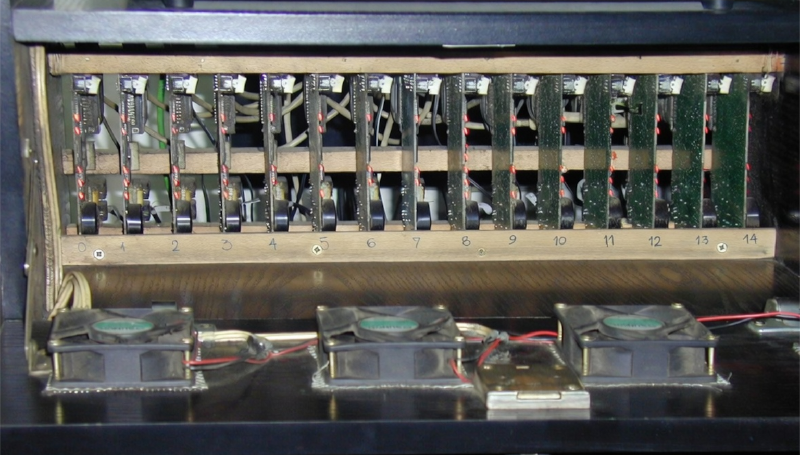
SezamPro was officially one of Serbia’s first three commercial ISPs. At that time Internet access was sold by the dial-up hour, and growth was constrained by a lack of telephone lines and Internet connectivity. In order to save on costs, we were using creative solutions — such as hobby-grade USRobotics Sportster modems that we prevented from overheating by building a special enclosure.
Growing Through Crisis#
The late 1990s were turbulent. During the 1999 NATO intervention, the Internet became a lifeline — both for citizens seeking uncensored information and for people trying to maintain contact with the outside world. As an ISP operator, I found myself responsible for infrastructure that the community depended on in ways we never anticipated when we started. Keeping the network running during those months changed how I think about what we do. We managed to operate through 8-hour blackouts powered by portable generators and a huge accumulator pack repurposed from an old locomotive. Some nights I was scared, sitting in our NOC in downtown Belgrade near government buildings, listening for warplanes flying over us.
The Broadband Era#
As Serbia stabilized in the early 2000s, I pushed SezamPro aggressively into broadband. We started with strong marketing, calling our offering “Analog-Digital SezamPro Line” — playfully using the ADSL acronym for our brand recognition. We grew fast, doubling our revenue each year. Capital investment was huge for the young company, but I made bridge loans from Jugodata, which also supplied SezamPro with ADSL CPE routers. We became the country’s leading independent ADSL provider, later capturing 37% of the ADSL market and growing to over 20,000 subscribers — the largest ISP after Telekom Srbija’s own retail operation. We offered ADSL, wireless broadband, and later VoIP telephony.
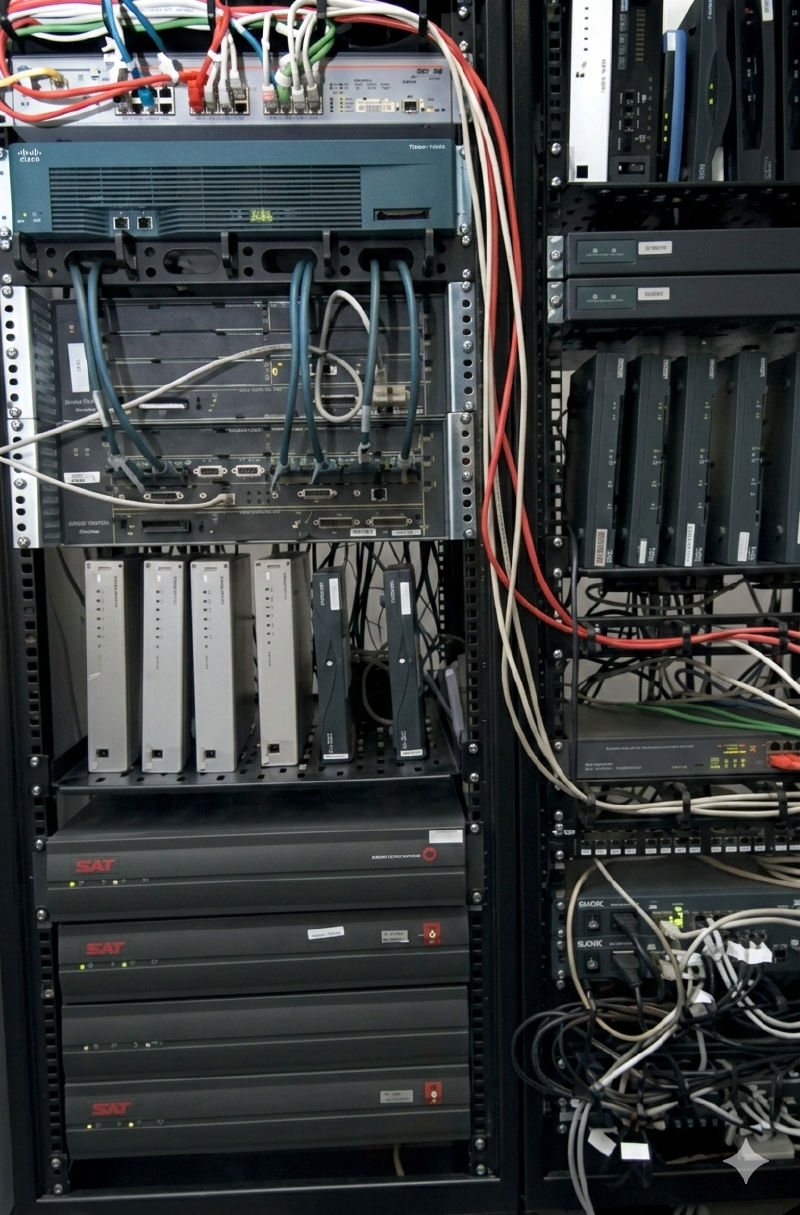
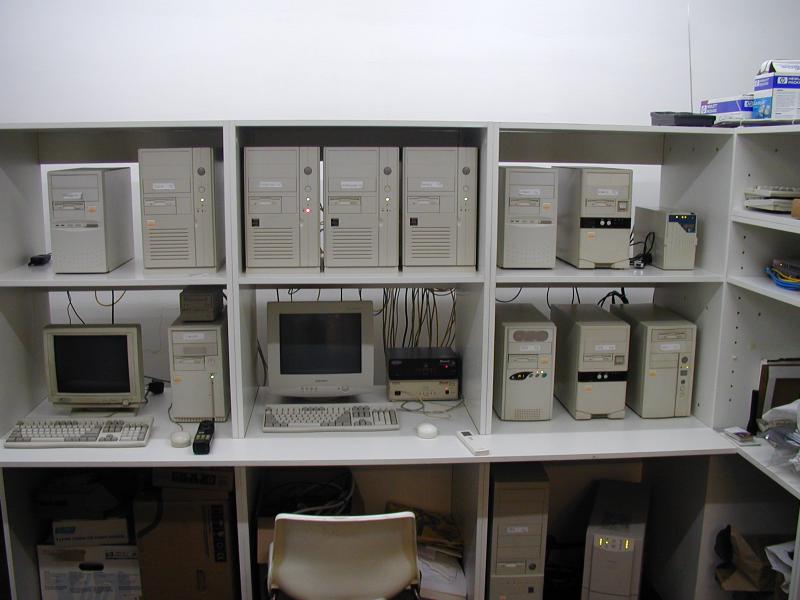
We were first in many innovations: the first NonStop dial-up (without time limit), a file download GetOrder service using a one-way satellite link, the first Internet prepaid scratch card ([S] Kartica), and the first licensed VoIP telephony ([S]IT — SezamPro Internet Telefon).
![SezamPro [S] Kartica](/posts/sezampro-building-serbias-internet-from-the-ground-up/stara-kartica_hu_f298f392f8b77bf2.jpg)
We also had a retail shop on Kralja Petra street in the very center of Belgrade, where customers could sign up, pick up equipment, and get support in person.
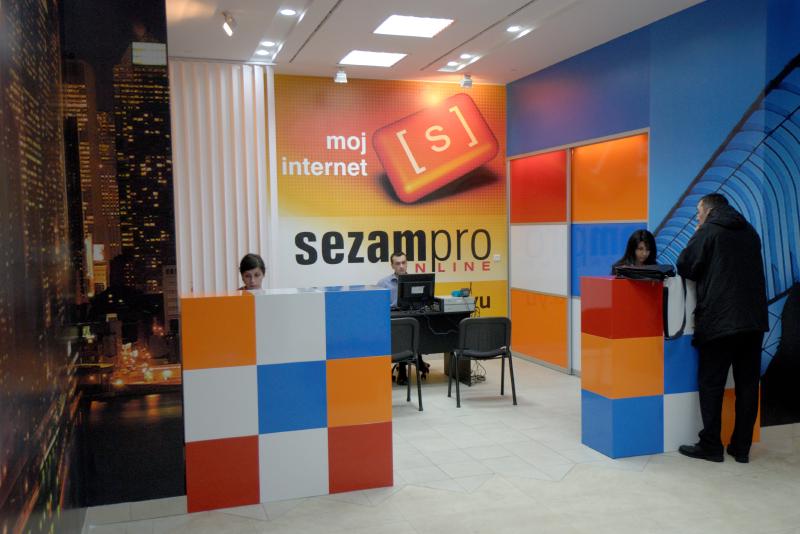
SezamPro continued its strong growth. However, the fundamental constraint was always the same: state-owned Telekom Srbija held a monopoly on the last mile and international connectivity, and was abusing its market power. Without regulatory liberalization, we couldn’t build our own network, so we innovated on services instead — squeezing every advantage we could from leased infrastructure.
Growth of the Internet link speed was one of the main bottlenecks. From the initial 128 Kbps, we grew to 512 Kbps, then 2 Mbps, and then we added our own satellite link. That was only a temporary solution, as two-way satellite link permits were protected by a government ITU monopoly. Having two links created specific challenges — we implemented BGP routing, and balanced link load by assigning users to one or another IP subnet. Later, Telekom Srbija provided higher-capacity fiber connectivity, so we gradually grew to 1 Gbps and finally 10 Gbps. By that time we had also become a RIPE NCC LIR, to manage our own IP address space.
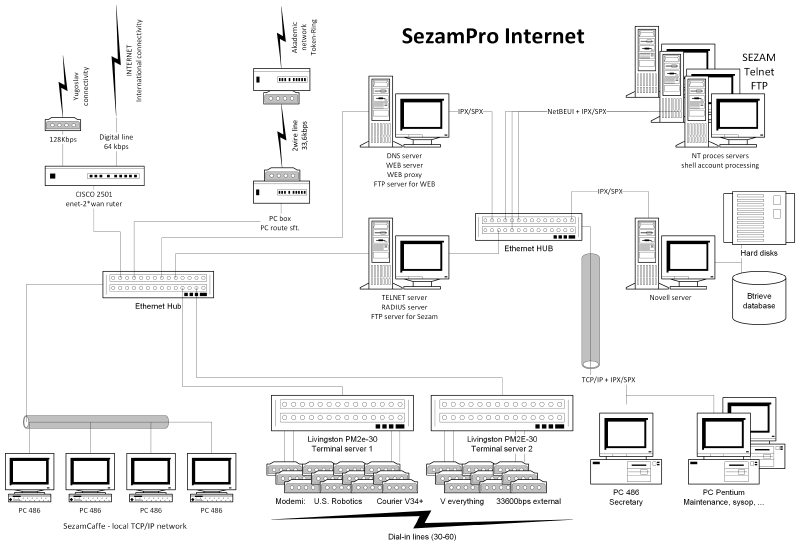
Hosting and Domain Names#
Recognizing the growing demand for web hosting, I decided to acquire the startup eHost, which we merged with our hosting operation to create a new dedicated company — Sezam Hosting. We were ready just in time for the transition from the old .yu top-level domain to the new .rs, and we grew into one of the leading .rs domain registrars in Serbia. We had the infrastructure, the customer base, and deep understanding of the local market. It was a natural move.

The Road to Orion#
By 2009, the Serbian telecom landscape was consolidating. SezamPro, together with Media Works and Neobee.net, merged to form Orion Telekom Group. I continued in a strategy and regulatory role through 2012, helping shape the integrated company’s direction before turning my focus to internet governance full-time.
What It Taught Me#
Thirteen years of building SezamPro — from eight dial-up lines under sanctions to a broadband provider serving tens of thousands — taught me things no business school could. Operating critical infrastructure when bombs are falling. Building a business when the regulator is also your main competitor. Serving a community that depends on you for something as basic as access to information.
Those lessons directly shaped my later work in internet governance — at RNIDS, where I led the .yu to .rs domain transition; at ICANN, where I served on the Board overseeing the global DNS; and in every boardroom since. You think differently about Internet policy when you’ve kept a network running on locomotive batteries.
Reply by Email